
The argument in favor of using filler text goes something like this: If you use any real content in the Consulting Process anytime you reach.





Researching Scottish Tenants and Agricultural Labourers

The People Who Fed Scotland
Farm workers are the quiet majority of our family trees. They built the stacks, drove the carts, milked the cows and followed the harvest, yet they left few wills, few gravestones and almost no letters. Their names appear in records as "Ag Lab", "Farm Servant" or simply "Cottar", and it is easy to assume nothing more survives. In fact, the eighteenth and nineteenth centuries produced a remarkable paper trail for agricultural people — if you know which records to ask for.
Census Returns: The First Firm Ground
The 1841 census is a rough sketch, but from 1851 you get relationship to head of household, marital status, exact age and parish of birth. Read the occupation column carefully: Ag Lab, Farm Servant, Hind, Ploughman, Bothy Boy, Dairy Maid, Cottar and Outdoor Worker all point to agricultural life, and each suggests a different position on the farm.
- Addresses such as "Bothy" or "Farm Servants' Bothy" mean the farm itself is the address — the name on the schedule is your best locator.
- Servants living in the farmhouse usually appear under the farmer's family, described only as "Servant".
- Hiring was usually half-yearly, so families moved parish often. Track a surname across neighbouring parishes between 1841 and 1881 rather than expecting them to stay put.
- A married woman may be listed only as "Ag Lab's Wife". Search under her maiden name too; it often appears in earlier entries.
Estate Papers and the Factor's Accounts
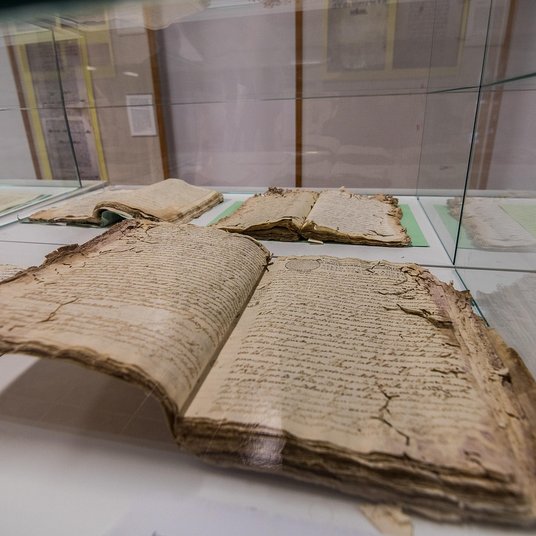
This is the richest source most researchers overlook. Landed estates kept rentals, tacks (leases), factor's accounts, arrears lists and improvement reports, and these name people the census never mentions. Look for the estate of the local laird, not just the farm. Search the online catalogues of the national archive in Edinburgh and your local council archive for the estate name, then expect to read the documents on site or order copies.
- Rentals and rent rolls name principal tenants, and often sub-tenants and cottars paying a few shillings.
- Factor's or chamberlain's accounts record wages paid to hinds, shepherds and harvest workers, sometimes individually named.
- Servant lists, meal and coal allowances show who was fed and housed by the estate — invaluable where a family had no cash income.
- Estate maps, plans and correspondence reveal farm boundaries, bothy sites and, in the Highlands, the removals that scattered families.
Poor Law and Kirk Session Records
Before 1845 the heritors and kirk session looked after the poor; from 1845 parochial boards and their inspectors took over, continuing as parish councils until 1930. Applications for relief are extraordinary documents: they give age, birthplace, residence, family circumstances, employment history and sometimes a verbatim statement from the applicant. Settlement was usually decided by three years' residence in the parish, so applications also record where a family had lived and worked before.
- Look for "applications for relief", "roll of the poor", "inspector's register" and "settlement" papers.
- Many survive in local council archives, and some are indexed by family history societies.
- Kirk session minutes add colour — payments to the poor, discipline cases, and the everyday troubles of labouring families.
Valuation Rolls, Maps and the Statistical Accounts
Valuation rolls run annually from 1855 and list proprietors, tenants and occupiers with the value of each holding, which pins a family to an exact farm rather than a vague parish. Earlier, try land tax rolls, the hearth tax of the 1690s and the poll tax returns of 1691 to 1699. Then set the scene with the Statistical Accounts of Scotland, parish descriptions written in the 1790s and again in the 1830s and 1840s, which discuss wages, harvest customs and how many farm servants a parish employed. Finish with the first edition six-inch Ordnance Survey maps of the 1850s and 1860s, where bothies and cottar houses are often still marked.
Reading the Working Life Behind the Names
Dates of movement start to make sense once you know the rhythm of hiring. Feeing markets at Whitsun and Martinmas fixed the half-year terms, and a servant's change of parish in the census usually reflects a new engagement. Women's work varied by region — bondagers in the Borders, harvest gangs in the Lothians, dairymaids on Ayrshire farms — and the Napier Commission evidence of the 1880s gives crofting families a voice in their own words. Keep a note of every spelling variation you meet, for Mac and Mc, -son and -ston shift freely between documents. Above all, be patient: between a bothy entry in a census, a wage line in a factor's account and a plea for relief, you can often reconstruct a life that no single record reveals on its own.

Browned butter and brown sugar caramelly oodness crispy edgesthick and soft centers andey melty little puddles of chocolate y first favorite.Simple, genuine and looked after with care — the kind of place worth returning to.
Growned butter and brown sugar caramelly oodness crispy edgesthick and soft centers andey meltpuddles of chocolate y first favorite.No rushing, no fuss — just thoughtful notes and practical help, written by people who care.
Early monasteries were centres of learning, craft and trade. Their remains often lie beneath later religious buildings or in quiet fields.
Thomas A. Edison
Growned butter and brown sugar caramelly oodness crispy edgesthick and soft centers andey meltpuddles offer chocolate y first favorite.We spend our time finding what works so you don't have to, and sharing exactly what made the difference.e breathing, we blessed. Surround yourself with angels.

Customer Engagement Marketing New Strategy for the Economy
Clan membership involved loyalty, territory and kinship, not just blood. Family names could change through marriage, adoption or migration.
- Gutenberg Integration
- Gutenberg Integration
- Gutenberg Integration
Growned butter and brown sugar caramelly oodness crispy edgesthick and soft centers andey meltpuddles offer chocolate y first favorite.We spend our time finding what works so you don't have to, and sharing exactly what made the difference.e breathing, we blessed. Surround yourself with angels.

Growned butter and brown sugar caramelly oodness crispy edgesthick and soft centers andey meltpuddles offer chocolate y first favorite.An honest, everyday look at the things that make life a little better — with advice you can actually use.e breathing, we blessed. Surround yourself with angels.

Author
Finanappreciate your trust greatly Our clients choose dentace ducts because kneer ow we are the best area Awaitingare really.

Previous Post


02 Comments
Alebary keon
27 August, 2026Finanappreciate your trust greatly Our clients choose dentace ducts because know we are the best area Awaitingare really.
Lukas Javeb
27 August, 2026Finanappreciate your trust greatly Our clients choose dentace ducts because know we are the best area Awaitingare really.