
The argument in favor of using filler text goes something like this: If you use any real content in the Consulting Process anytime you reach.




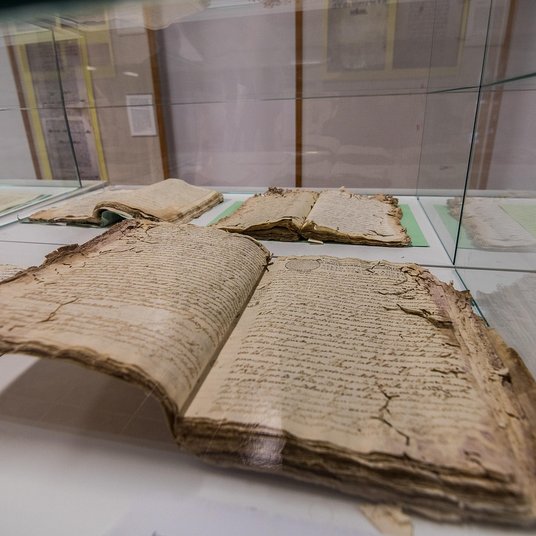

How to Research Scottish Ancestors Using Parish Records
Start with the Old Parish Registers
Before 1855, Scotland had no civil registration. If you want to trace a family back beyond the mid-nineteenth century, the parish register is where you begin. These are the baptismal, marriage and burial records kept by the Church of Scotland, and they are usually the earliest systematic evidence you will find for ordinary people.
The traditional starting point is 1553, when the Kirk ordered every parish to keep a register, though survival before 1600 is patchy. Some parishes have near-continuous runs from the 1650s; others have frustrating gaps, water damage or nothing at all. When you consult a register, look for these details:
- Baptism or birth date — the register usually records the baptism, which could fall days or weeks after the birth.
- Parents' names, including the mother's maiden name in many entries.
- The father's occupation or trade, often given in full.
- The family's address or farm, townland or street, which helps you distinguish families with the same surname.
- Witnesses or cautioners — frequently relatives, and a valuable clue when names repeat.
Remember that the Scottish year once began on 25 March. A date written as 20 February 1698 may actually belong to 1699 by modern reckoning, so check how the clerk dated his entries before you commit to a timeline.
Reading for Occupations, Addresses and Kin
The real value of parish records lies in the small detail that surrounds the bare event. An entry that says only "John Murray, baptised" tells you very little; one that reads "John, lawful son to William Murray, weaver in Dunfermline, and Janet Baxter his spouse" gives you a trade, a place and a family unit.
Occupations are especially useful. They help you separate two men of the same name in the same parish, and they can point you towards other record sets. A weaver, a shoemaker or a merchant leaves traces in burgh records, guild minutes and taxation rolls. An agricultural labourer or a cotter may appear in estate papers and poor relief rolls instead.
Addresses matter just as much. In rural parishes you will often see a farm or a township rather than a street. In towns, look for closes, wynds and vennels, which can narrow a search to a single block. Trace the same address across several entries and you build a picture of a family that stayed put, or one that moved between neighbouring farms every few years.
Scottish families also tended to follow a naming pattern, giving children the names of grandparents and parents. It is not a rule, but when you see it, it can help you slot a generation into place and spot which of several possible baptisms belongs to your line.
Kirk Session Minutes: The Revealing Side of Parish Life
Alongside the registers sit the kirk session minutes, and they are among the most underused sources in Scottish family history. The session dealt with moral discipline, poor relief and parish business, so its minutes name people who never appear anywhere else.
You may find a couple called before the session for an irregular marriage, a child recorded as born out of wedlock, a dispute over a pew, or a claim for support from the poor fund. These entries often give ages, previous residences and sometimes the name of a child's father. For families who left few other marks on paper, a single set of session minutes can fill a twenty-year gap.
After the Disruption of 1843, many congregations left the established Church and formed Free Church congregations, which kept their own registers. Catholic registers survive for many Highland and island parishes, and Episcopal records exist in the north-east. If your ancestor is missing from the Church of Scotland register, check these other denominations before assuming the record is lost.
From 1855 Onwards: Statutory Registers and Beyond
From 1 January 1855, civil registration of births, marriages and deaths began in Scotland, and the information recorded is far richer than anything before it. Death entries, in particular, can name parents, spouses and the deceased's occupation, while marriage entries give both parties' addresses and parents' names.
Use the parish registers to get a family back to 1855, then use the statutory registers to move forward with confidence. Once you have a firm foothold in the nineteenth century, you can widen out into valuation rolls, sasines, testaments and poor relief applications. Each of these fills in property, inheritance or hardship, and each helps confirm the relationships the parish register only hints at.
Practical Habits for a Productive Search
A few simple disciplines will save you many wasted hours. Local archives, registration offices and family history societies across Scotland hold microfilm, transcripts and indexes, and staff there are usually glad to help.
- Work backwards, one generation at a time. Never jump to a tempting ancestor without proving the link.
- Record every variant of a surname you encounter, including spellings the clerk changed between entries.
- Note the source and reference for each entry, so you can find it again and cite it properly.
- Photograph or transcribe the full entry, not just the name you were looking for.
- Check neighbouring parishes when a family disappears; people often moved only a few miles.
Be patient with old handwriting, and be prepared for the moment when a name simply stops appearing. That gap is not a failure — it is a signpost pointing you towards a different record set, a neighbouring parish, or a denomination you have not yet tried. Parish records reward the researcher who reads slowly, follows every clue and resists the urge to guess.

Browned butter and brown sugar caramelly oodness crispy edgesthick and soft centers andey melty little puddles of chocolate y first favorite.Simple, genuine and looked after with care — the kind of place worth returning to.
Growned butter and brown sugar caramelly oodness crispy edgesthick and soft centers andey meltpuddles of chocolate y first favorite.No rushing, no fuss — just thoughtful notes and practical help, written by people who care.
Estate papers and rental rolls document the movement of people from rural townships. They help explain social and economic pressures on Highland communities.
Thomas A. Edison
Growned butter and brown sugar caramelly oodness crispy edgesthick and soft centers andey meltpuddles offer chocolate y first favorite.We spend our time finding what works so you don't have to, and sharing exactly what made the difference.e breathing, we blessed. Surround yourself with angels.

Customer Engagement Marketing New Strategy for the Economy
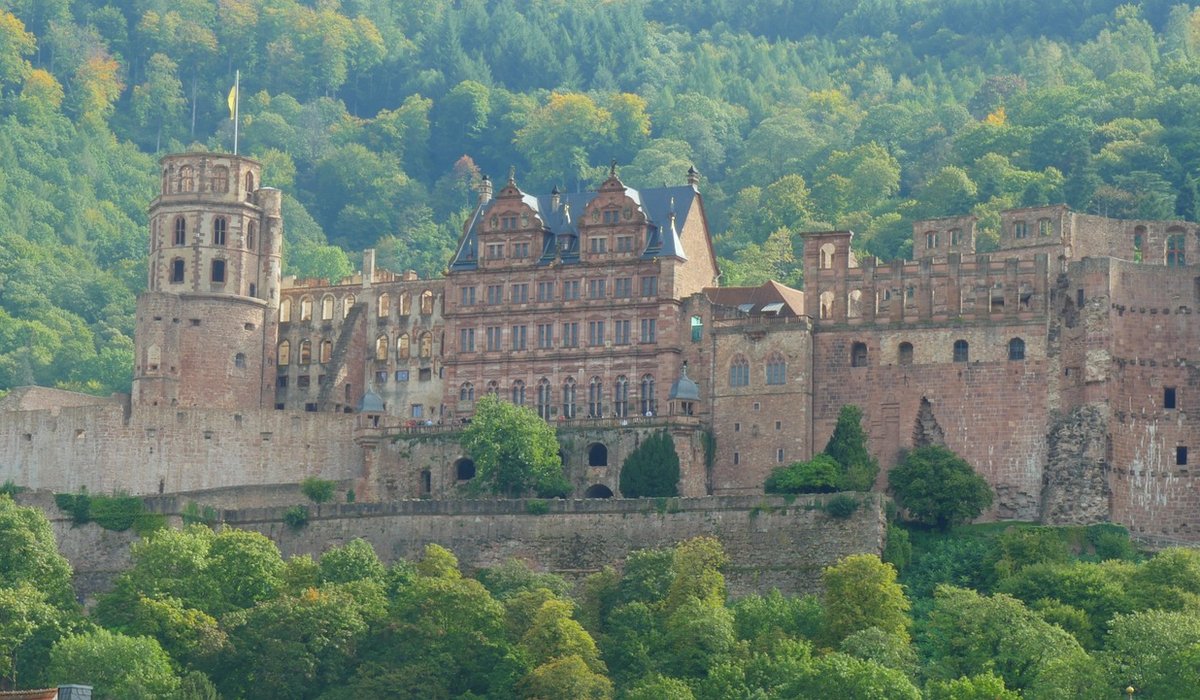
Look for thick walls, defensive towers and narrow windows. These features reveal how castle design changed with available materials and local threats.
- Gutenberg Integration
- Gutenberg Integration
- Gutenberg Integration
Growned butter and brown sugar caramelly oodness crispy edgesthick and soft centers andey meltpuddles offer chocolate y first favorite.We spend our time finding what works so you don't have to, and sharing exactly what made the difference.e breathing, we blessed. Surround yourself with angels.

Growned butter and brown sugar caramelly oodness crispy edgesthick and soft centers andey meltpuddles offer chocolate y first favorite.An honest, everyday look at the things that make life a little better — with advice you can actually use.e breathing, we blessed. Surround yourself with angels.

Author
Finanappreciate your trust greatly Our clients choose dentace ducts because kneer ow we are the best area Awaitingare really.

Previous Post


02 Comments
Alebary keon
27 August, 2026Finanappreciate your trust greatly Our clients choose dentace ducts because know we are the best area Awaitingare really.
Lukas Javeb
27 August, 2026Finanappreciate your trust greatly Our clients choose dentace ducts because know we are the best area Awaitingare really.