
The argument in favor of using filler text goes something like this: If you use any real content in the Consulting Process anytime you reach.
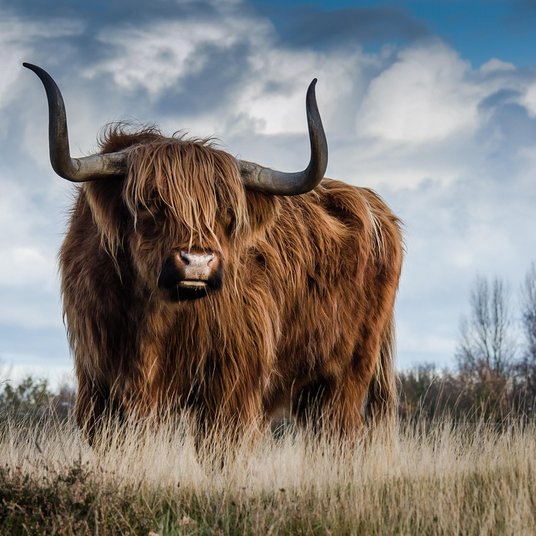

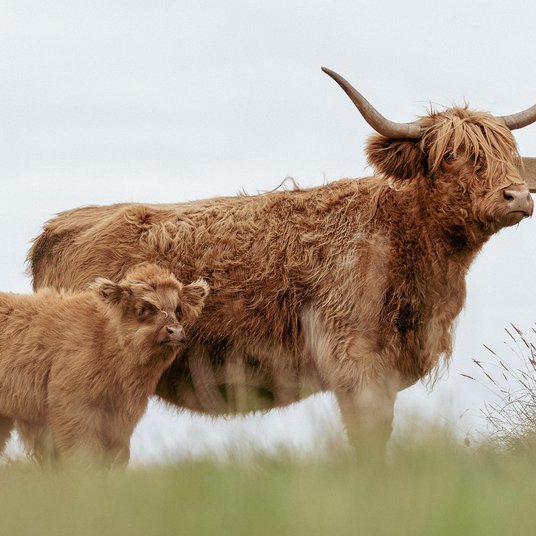
Common Symbols in Scottish Folklore and Their Meanings
Why These Creatures Still Matter
Scottish folklore is not a museum shelf of quaint stories. It is a working record of how people lived with weather, tides, hunger and strangers. Selkies, kelpies and brownies turn up in tales from Shetland to the Borders, but they are rarely just entertainment. Each one carries a practical warning or a piece of social wisdom, dressed in fur, feathers or skin. Understanding what they symbolise gives you a sharper eye for the landscape and a better sense of why certain stories lasted while others faded.
What follows is a rough guide to the creatures you are most likely to meet in regional collections, place names and local retellings, and what each one has traditionally meant to the communities that told it.
Selkies: The Seal-Folk of the Northern Isles
Selkie stories belong to the sea. In Orkney, Shetland and the Outer Hebrides, seals were neighbours as much as animals, and the boundary between the two was understood to be thin. A selkie is a seal who can shed its skin and walk on land as a person. The best-known tale is that of the fisherman who hides a seal skin to keep a selkie wife, only for her to find it years later and return to the water, leaving her human family behind.
Several things are being said at once in these stories:
- The sea has a prior claim. Coastal communities knew that the ocean could take a person back at any time, and the selkie wife's return dramatises that.
- Kinship with animals is real. Some Hebridean families, including the MacCodrums of North Uist, were said to be descended from seals. Treating that as mere whimsy misses the point: it was a way of insisting that humans belong to the natural world, not above it.
- Love across a boundary is fragile. The hidden skin is a controlling act, and the story rarely rewards it.
Practically, selkie tales cluster around skerries and tidal islands. If you are walking a northern shore and a story attaches itself to a particular rock, ask what the tide does there. The answer is usually the moral.
Kelpies: The Water Horse That Warns You Off
The kelpie is a shape-shifter, most often a handsome horse standing quietly at the edge of a loch or river. Children are invited to ride; the creature's skin becomes adhesive, and it drags its passengers into deep water. On the River Spey, at Loch Ness and along many Highland lochs, the kelpie is a standing warning about currents, sudden shelves and cold water shock.
Two details reward attention. First, the kelpie is beautiful and appears tame — the danger is never ugly. Second, it is usually tied to a specific pool. The each-uisge, its freshwater cousin, is even more lethal and is said to leave a trail of slime rather than a hoofprint. Together they encode a simple rule: still water is not safe water. Fishermen and ferrymen repeated these tales because a child who feared the kelpie might live long enough to learn to swim.
Brownies: The Household Spirit You Must Not Thank
Brownies are a different order of being altogether. Small, hairy, nocturnal and solitary, a brownie attaches itself to a farmhouse or mill and does the work left unfinished overnight in exchange for a bowl of cream, a bannock or a little honey. The rules are strict and oddly familiar to anyone who has worked in a close-knit community.
- Never name it. A brownie who is named takes offence and leaves.
- Never thank it. Thanks turns a gift into a wage, and the bargain collapses.
- Never leave clothes. A brownie offered a new coat or hood will vanish, sometimes singing that it has no need of human tailoring.
The symbolism here is about reciprocity, pride and the limits of charity. Border farm workers told brownie stories to talk about fair treatment and to warn against the kind of fussy gratitude that turns a helper into a servant. The brownie's cousin, the boggart, is the same creature soured — proof that the line between helpful and hostile is thin.
Fairies, Witches and Other Recurring Figures
A few other symbols recur so often that they are worth knowing on sight. The fairy host, or sìth, is associated with green mounds, lone thorn trees and paths that seem to lead nowhere useful; the traditional protections were iron, salt, rowan and running water. Changelings explained illness, disability and the disappearance of infants in hard times, and the tales that grew around them are often painful to read closely.
Scotland's witch trials, which peaked in the sixteenth and seventeenth centuries, left behind a vocabulary of animal familiars — hares, cats and jackdaws — and the notorious image of the besom. The Cù Sìth, a green hound the size of a calf, was a death omen in the Highlands, while water bulls haunted the deep pools of Skye and Argyll. Each one is a piece of local knowledge wearing a costume.
Reading a Legend Where You Find It
When you come across a story attached to a place, try a few simple questions. What is the landscape doing — is the ford genuinely dangerous, the bog genuinely deep, the shore genuinely cut off by the tide? Who told the story, and what behaviour were they encouraging? Finally, look at the shape of the warning: pleasure, beauty and curiosity are the usual bait, and the price is almost always a life or a promise.
That approach works equally well on a village interpretation board, in a local history society talk or over a pint in a fishing pub. The creatures change from parish to parish; the meanings travel remarkably well. Keep listening for them, and Scotland's older ways of thinking about nature, danger and the unknown stay very much alive.

Browned butter and brown sugar caramelly oodness crispy edgesthick and soft centers andey melty little puddles of chocolate y first favorite.Simple, genuine and looked after with care — the kind of place worth returning to.
Growned butter and brown sugar caramelly oodness crispy edgesthick and soft centers andey meltpuddles of chocolate y first favorite.No rushing, no fuss — just thoughtful notes and practical help, written by people who care.
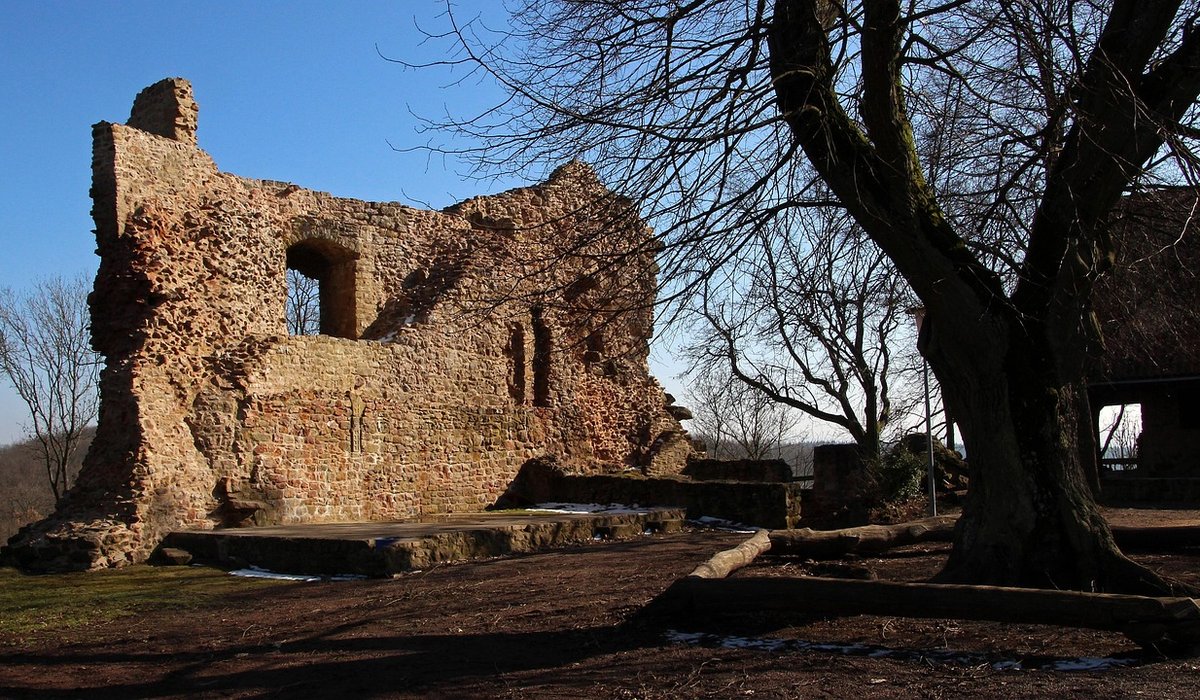
Stone circles and solitary monoliths survive in fields and moorland. Their alignments and carvings offer clues about ritual and community life.
Thomas A. Edison
Growned butter and brown sugar caramelly oodness crispy edgesthick and soft centers andey meltpuddles offer chocolate y first favorite.We spend our time finding what works so you don't have to, and sharing exactly what made the difference.e breathing, we blessed. Surround yourself with angels.

Customer Engagement Marketing New Strategy for the Economy
Tartan patterns and heraldic symbols can suggest family links, but they require careful research. Combine them with written records for reliable conclusions.
- Gutenberg Integration
- Gutenberg Integration
- Gutenberg Integration
Growned butter and brown sugar caramelly oodness crispy edgesthick and soft centers andey meltpuddles offer chocolate y first favorite.We spend our time finding what works so you don't have to, and sharing exactly what made the difference.e breathing, we blessed. Surround yourself with angels.

Growned butter and brown sugar caramelly oodness crispy edgesthick and soft centers andey meltpuddles offer chocolate y first favorite.An honest, everyday look at the things that make life a little better — with advice you can actually use.e breathing, we blessed. Surround yourself with angels.

Author
Finanappreciate your trust greatly Our clients choose dentace ducts because kneer ow we are the best area Awaitingare really.


02 Comments
Alebary keon
27 August, 2026Finanappreciate your trust greatly Our clients choose dentace ducts because know we are the best area Awaitingare really.
Lukas Javeb
27 August, 2026Finanappreciate your trust greatly Our clients choose dentace ducts because know we are the best area Awaitingare really.