
The argument in favor of using filler text goes something like this: If you use any real content in the Consulting Process anytime you reach.




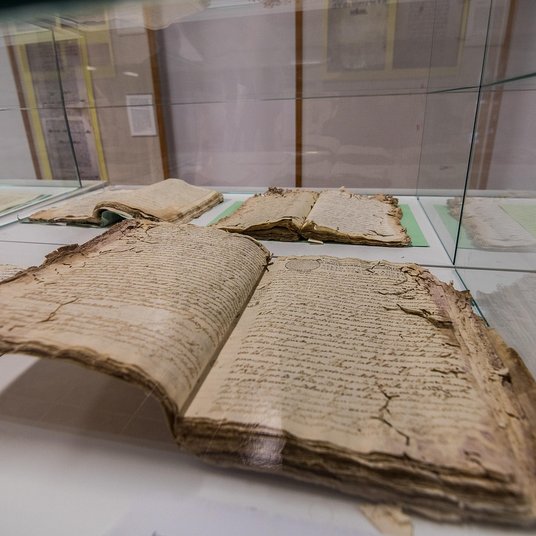

Caring for Historic Buildings in Scottish Communities

Why Local Care Matters
Scotland's historic buildings are rarely just buildings. A village hall built as a school in the 1870s, a kirk with a bell that still rings on a Sunday, a row of wee cottages on a harbour front — these places hold the memory of a community. They are also, almost always, in need of something: a slipped slate, a blocked gutter, a stone that has worked loose over a hard winter.
The good news is that the people best placed to notice those small problems are the ones who use the building every week. Local groups — heritage societies, development trusts, kirk sessions, friends' organisations — are behind a great deal of the repair, interpretation and day-to-day care that keeps these places standing and open. This article offers practical ground for anyone involved in that work.
Begin with Maintenance, Not Repair
The cheapest repair is the one you never have to make. A simple maintenance plan, reviewed each spring and autumn, will save a community group far more than it costs in time.
- Water is the enemy. Clear gutters, downpipes and rhones twice a year. In Scotland, that often means October and March. Blocked rainwater goods cause damp, rot and stone decay.
- Check the roof from the ground. Use binoculars. Look for slipped or cracked slates, lifted flashings and blocked valleys. Note anything suspicious and get it looked at by a roofer who has worked on historic buildings before.
- Watch the walls. Traditional buildings are usually lime-harled or lime-pointed. Hard cement renders and mortars trap moisture and can damage soft sandstone. If pointing is crumbling, replace like with like.
- Keep a logbook. Record dates, photographs, who did what and what it cost. This is invaluable when applying for funding and helps the next committee.
A condition survey every five years by a conservation-accredited professional gives you a clear picture and a prioritised list. It also shows funders that you are serious about stewardship.
Fundraising That Actually Works
Very few community groups can fund a major repair from one source. The trick is to build a mixed package and to start early — most grant programmes run on annual cycles, and a large project can take two years or more from first idea to first scaffold.
- Start with the small and local. A coffee morning, a sponsored walk, a plant sale or a calendar of old photographs raises money and, just as importantly, raises awareness.
- Approach national heritage and community funds. Most have officers who will talk through a project before you apply. Use that. A short phone call can save weeks of work.
- Consider community shares or a friends' membership scheme. Both build a constituency of people with a stake in the building.
- Think about legacies and Gift Aid. A well-worded appeal to supporters can bring in money that no grant will provide.
- Budget honestly. Include professional fees, scaffolding, VAT and a contingency of at least ten per cent. Under-budgeting is the most common reason projects stall.
Training Volunteers — and Keeping Them
Volunteers are the lifeblood of Scottish heritage projects, but goodwill alone does not point a wall or record a graveyard. Investing in training pays back many times over, and it gives people a reason to stay.
- Run a lime mortar and pointing course. Local colleges, conservation bodies and experienced masons often offer short sessions. Even a weekend gives volunteers confidence with small repairs.
- Teach recording skills. Photographing inscriptions, measuring a ruin, or drawing a simple plan are all tasks that can be learned quickly and done well.
- Offer oral history training. Recording the memories of older residents adds richness to interpretation and creates an archive for the future.
- Look after your people. Provide tea, gloves, insurance, clear tasks and a named point of contact. Recognise effort publicly. A thank-you event in the building itself goes a long way.
Interpreting the Place
Repair alone does not make a building meaningful to a wider public. Interpretation — the panels, leaflets, tours, digital records and events that explain what a place is and why it matters — is what turns a repaired structure into a living part of the community.
Start with what you have. A well-written information board outside a kirkyard, a self-guided walk leaflet, a QR code linking to a short audio recording: these are low-cost and highly effective. Work with local schools and Gaelic or Scots language groups to bring different voices into the story. Be honest about difficult history, including clearance, emigration, industry and conflict. Visitors and residents alike respond to interpretation that is specific, human and unafraid.
Above all, keep the building in use. A hall that hosts ceilidhs, a kirk that opens for quiet reflection, a mill that runs occasional demonstrations — use is the best protection any historic building can have.

Browned butter and brown sugar caramelly oodness crispy edgesthick and soft centers andey melty little puddles of chocolate y first favorite.Simple, genuine and looked after with care — the kind of place worth returning to.
Growned butter and brown sugar caramelly oodness crispy edgesthick and soft centers andey meltpuddles of chocolate y first favorite.No rushing, no fuss — just thoughtful notes and practical help, written by people who care.
Begin with birth, marriage and death registers held in local archives. These records often reveal occupations, addresses and family relationships across generations.
Thomas A. Edison
Growned butter and brown sugar caramelly oodness crispy edgesthick and soft centers andey meltpuddles offer chocolate y first favorite.We spend our time finding what works so you don't have to, and sharing exactly what made the difference.e breathing, we blessed. Surround yourself with angels.

Customer Engagement Marketing New Strategy for the Economy
Estate papers and rental rolls document the movement of people from rural townships. They help explain social and economic pressures on Highland communities.
- Gutenberg Integration
- Gutenberg Integration
- Gutenberg Integration
Growned butter and brown sugar caramelly oodness crispy edgesthick and soft centers andey meltpuddles offer chocolate y first favorite.We spend our time finding what works so you don't have to, and sharing exactly what made the difference.e breathing, we blessed. Surround yourself with angels.

Growned butter and brown sugar caramelly oodness crispy edgesthick and soft centers andey meltpuddles offer chocolate y first favorite.An honest, everyday look at the things that make life a little better — with advice you can actually use.e breathing, we blessed. Surround yourself with angels.

Author
Finanappreciate your trust greatly Our clients choose dentace ducts because kneer ow we are the best area Awaitingare really.

Previous Post


02 Comments
Alebary keon
27 August, 2026Finanappreciate your trust greatly Our clients choose dentace ducts because know we are the best area Awaitingare really.
Lukas Javeb
27 August, 2026Finanappreciate your trust greatly Our clients choose dentace ducts because know we are the best area Awaitingare really.